
The idea of a transit plan is deeply screwed up in much of the world. Politicians trot out a map with a list of priority projects (typically their priorities), and in most cases, most of it never gets built.
But this sick abuse of plans is unfortunate, because a good transit plan that you actually follow can work total wonders. In this blog post, I am going to talk about what building from a plan can look like, and some specific examples of where this forward thinking comes in handy.
If you enjoy my content, consider subscribing to my blog:
or supporting me on Patreon:
Your support will help me bring you more content faster!

The idea that transit should be built on a plan is, I hope, obvious. We can’t just go out tomorrow and start building projects, and having a large scale plan allows us to consider how projects might interact, and makes sure major transportation demand is met so that projects don’t conflict and complement one another.
But a big issue with the way plans are so often employed is that their almost partisan nature — for example, “Transit City” in Toronto featuring only light rail lines and mainly focusing on the suburbs, or current Berlin transit plans being heavily weighed to U-Bahn expansion — is that such plans rarely have staying power when new governments are elected. While they are certainly imperfect, long-term transit plans for (and I can’t believe I am complementing them) Los Angeles actually do a fairly good job of being technology and geography agnostic. The issue in a place like LA is transit plans are incoherent, with various projects not necessarily coming together to achieve something rational and unified, and a lot of key goals like direct rail service to one of the world’s largest airports being missing.
I think the best kind of transit plan is a long-term master plan that doesn’t try to pick favourite technologies or geographies, and instead lays out a broad plan with many projects, with technologies determined based on projected route demand and characteristics like density, urban form, and length. Ideally, such a plan is all encompassing enough that is allows for different governments to focus efforts in different areas without going outside of the plans themselves, which should really be developed by impartial (or as close as we can get) bureaucrats.
Having a long term transit plan and a sense for “what’s next” is incredibly valuable — especially for tackling issues like utility relocation that so often plague transit projects. If you know that a subway is going on a particular street with stations in certain locations and emergency exit buildings in others, you can do a solid job keeping utilities out of the way, and perhaps even built complementary infrastructure when construction happens nearby. All of this helps get future transit projects rowing with the flow of the transit river — and there are other measures that can help too.
Safeguarding in the UK
The idea of safeguarding is similar to what I mentioned above with utilities. Certain private properties have restrictions on what can be built on them and how it can be built, as to allow the later construction of transit projects or other infrastructure. Integrating this with a plan to buy up necessary land to build projects as it becomes available can allow you to significantly increase the issue of property owners having to be effectively paid off when a big project is announced, and it also reduces the risk that comes with integrating a new project with existing infrastructure and buildings.
Calgary’s Light Rail Protection Policy
Smart, proactive measures don’t need to be as complex as working with underground property rights and the like. In Calgary, in a number of areas when new suburbs have been developed land has been set aside for future light rail lines to be built — while delivering transit to neighbourhoods when people move in is best, and probably also lets you keep institutional expertise sharp. At the end of the day, having space to drop a rail right-of-way in the future significantly simplifies future expansion and should make construction of future light rail (or rapid transit with say a trench) fast, and inexpensive.

Calgary also deserves kudos for being forward thinking with a future downtown light rail subway: when a new municipal building was built on the expected alignment, space was left for the light rail to pass in the future!
Stations Built for Expansion
You can of course also build stations for the future. This can include things like knock out panels for connections to future lines, or similar panels for connections to future development. It’s also not uncommon to leave space for things like additional vertical circulation in subway stations that might not be used immediately, or even additional platforms that might supplement existing ones (think Spanish Solution) or provide provision for future connections and lines. It’s also not uncommon to see space left in stations for new lines to be thread through or under.
Torontonian Bridges and New York’s Tunnels
Bridges and tunnels are obviously major investments, and across a wide range of cities you can see provisioning done for future transit on bridges, or protection for future tunnels/tracks.
In Toronto, a small example of this is the new Cherry street streetcar bridge, which will someday carry streetcar tracks into Toronto’s new Port Lands district. Putting a bridge like this in place now allows for an integrated design and also reduces future disruption when the line goes in. A much more significant example of a forward thinking bridge was the Prince Edward Viaduct, which was built decades before Line 2 of the Toronto subway with sufficient space to one day carry it, likely saving a lot of money on an entirely new bridge for the subway!

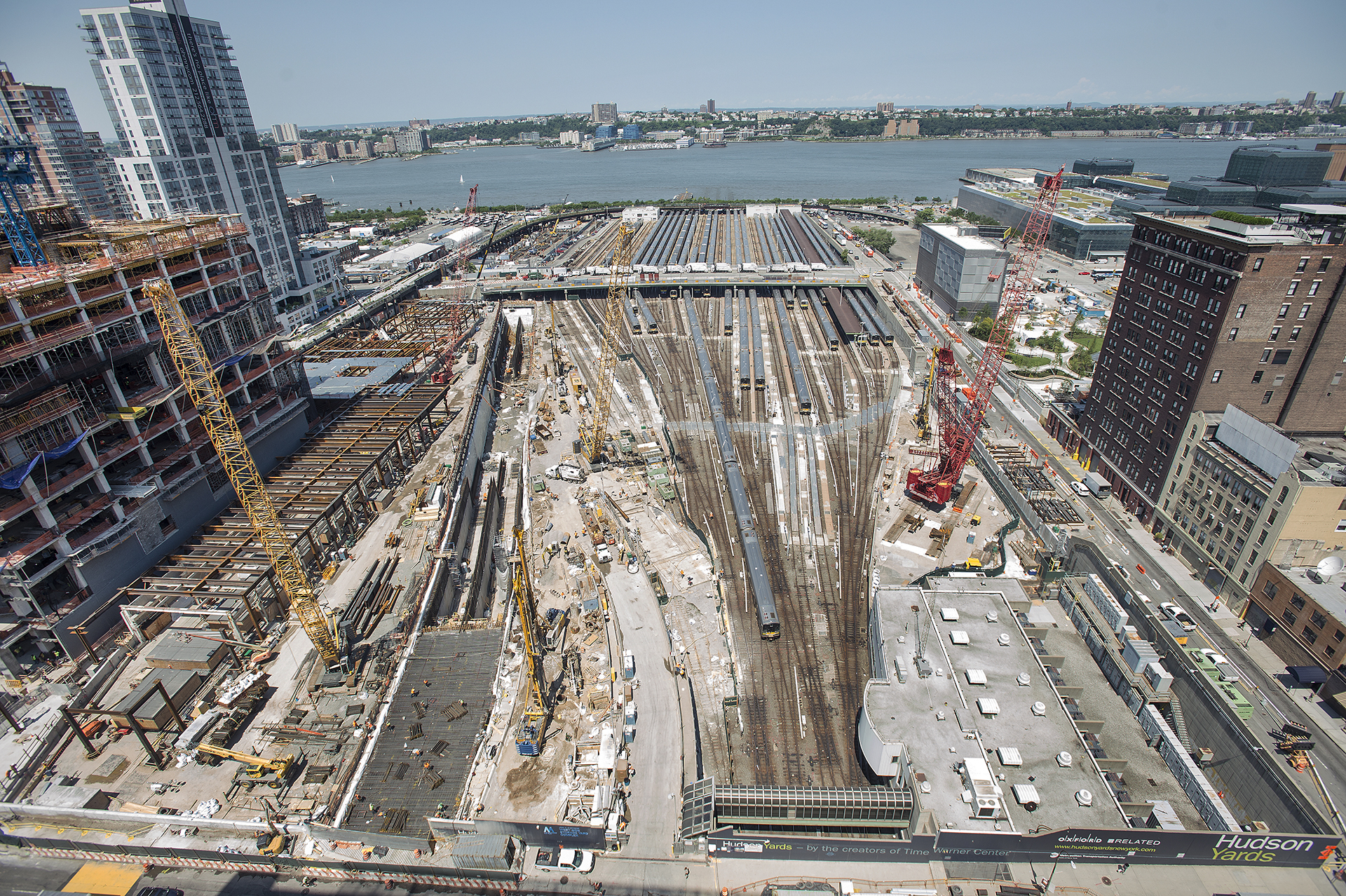
In New York, the the tunnels used to carry trains into East Side Access/Grand Central Madison were included as the lower level of the F train tunnels built in the 70s and opened in the 80s. And of course, there are numerous examples of places in New York where future subway lines and connections were protected for (or partially built like with the Second Avenue subway). One forward looking example of a future protection built into infrastructure was a tunnel segment for the future second set of mainline rail tunnels across the Hudson river which was built underneath the Hudson Yards development.

Ultimately, combining a transit masterplan with lots of active provisioning for future projects is a great way to save money and simplify projects down the line. The best alternative to building something new is having something already there, or having spaced cleared in advance!






Leave a Reply