
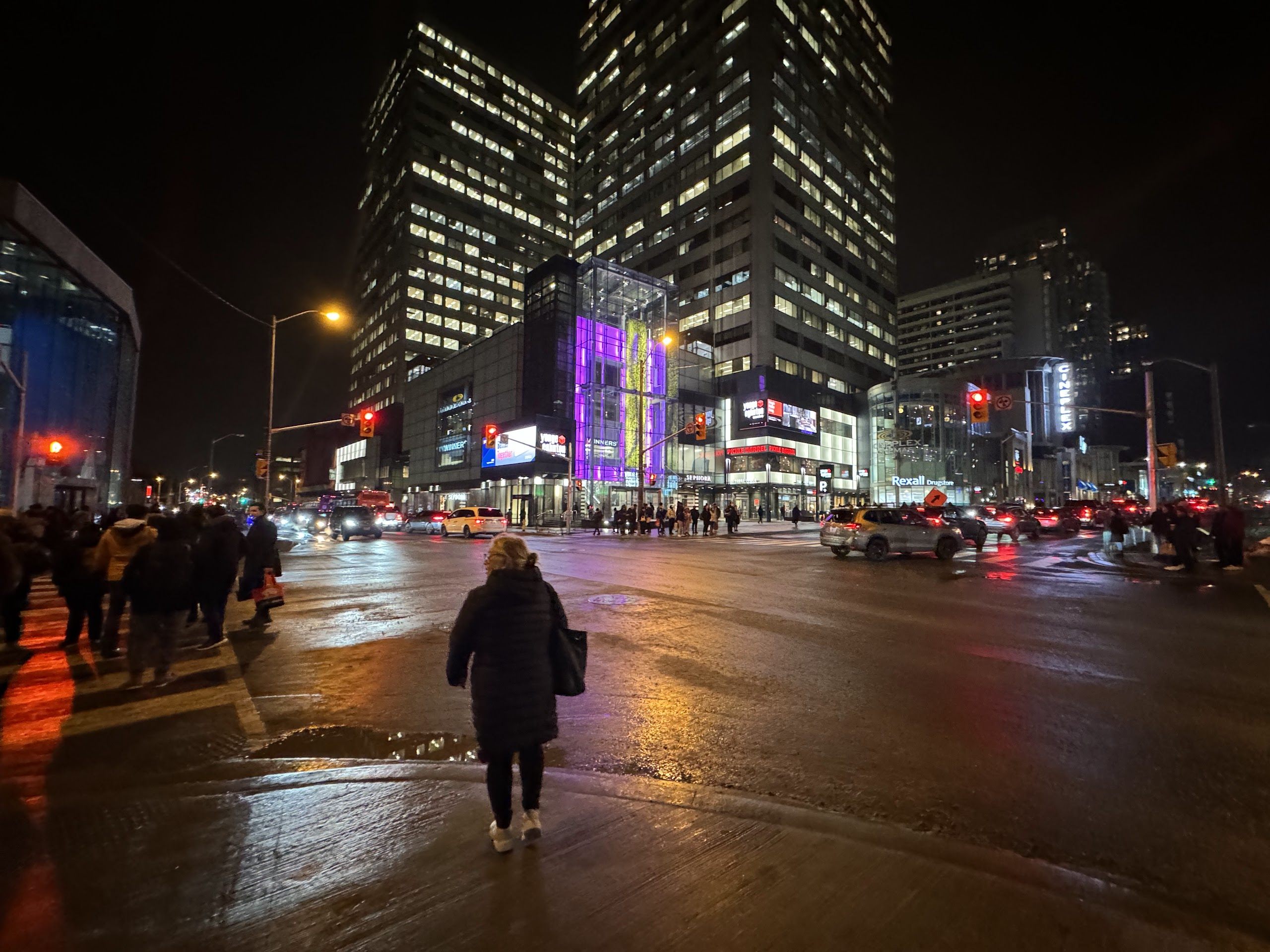
A disclaimer, I am going to talk about the Eglinton Crosstown and the lack of information provided by Metrolinx about it.
Metrolinx has held some press briefs in the last year, but I have not been given access; I am apparently not sufficiently journalistic, which is amusing because apparently BlogTO (best known for clickbait online listicles and the like) is sufficient. This is frustrating because many people tell me my videos are what informs them about what’s going on with transit in Toronto, and because unlike most of the traditional media outlets, I am not just interested in negative stories or scandals — I celebrate the wins too. I figure that the idea of me asking a technical question or something beyond “when is the Eglinton Crosstown opening?!” is disqualifying.
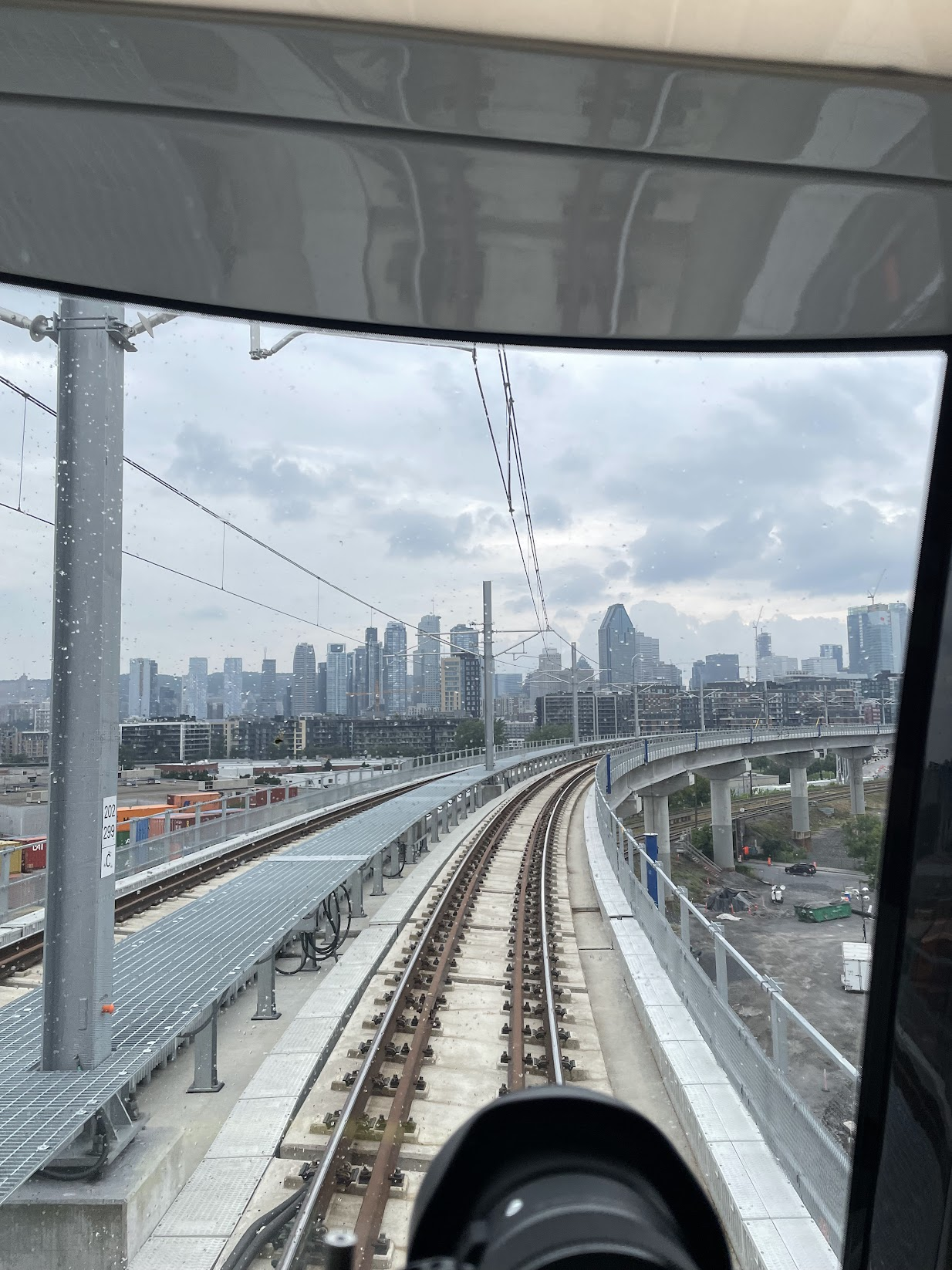
For what it’s worth and despite the agency’s many problems, even the ARTM in Montreal has invited me to press conferences, and not to ask softball questions (I respect this a lot)!
I think it’s fair to say at this point that the Eglinton Crosstown is an unmitigated disaster.

While I find comparisons with the construction timeline of the pyramids of Giza or whatever to be a bit hyperbolic, the Channel Tunnel (an undersea tunnel linking France and the UK) — a much more complex modern rail project — took about half as long to build.
I find Metrolinx’s refusal to commit to a public timeline for the project incredibly frustrating, because it makes it hard to hold the agency accountable, and also because without a publicly known deadline there’s a lot less pressure to deliver. Even Crossrail released a statement that they would be “opening in 2022” before locking in a particular date. I hate to be that guy, but it’s our tax dollars, our city, and we deserve to know.
This lack of transparency and resistance to providing information that might be used in the future to hold the agency to account should not be allowed by the government, which really shoots itself in the foot by not having Metrolinx be more transparent. Everyone knows that the “arms length” element of Metrolinx is wishful thinking, and so any lack of transparency from Metrolinx comes off as a lack of transparency from the government, which people might point out is right on brand.
I do think it’s worth stepping back and remembering that we’ve heard many times from senior Metrolinx leadership and government officials, that they aren’t “rushing” things in order to avoid an Ottawa LRT-type scenario (which I think the government has done far too little on), and that’s fair enough — but that should also mean that when the Crosstown does start running that things better be pretty flawless; there has been ample time to get things right.
What I think goes underrepported is that Eglinton is just one of many Metrolinx projects that is over budget and late: basically every big transit project the agency is running is at least a year, if not several late. Often the response to questions about this seems to betray an arrogance, as if questioning our poor performance is questioning whether Toronto really needs transit after decades of so little. To be honest though, the fact that we have built so little should not make Metrolinx arrogant, but humble — the Toronto transit building machine is clearly rusty. And while Metrolinx has been building for over a decade now, I’m not sure the agency really has a single smash success capital project (even though we are paying through the nose for basically all of them). Even our politicians seem hesitant to take Metrolinx to task, lest there be problems with the oh-so-fragile state of transit expansion that was for so long nonexistent.

I’m sorry though, Metrolinx does not get a free pass for building stuff, given they are not even doing it very cost effectively or expeditiously. The Ontario Line, which was supposed to be done (or at least substantially complete) in 2027, won’t even have some of its tunneling work started until 2025. Not holding Metrolinx accountable is bad for Metrolinx if they don’t have pressure on them (or commit to the public), they won’t have pressure to improve — and that seems to be the status quo.
This issue of not making commitments is not limited to Eglinton. For a decade, Metrolinx has been committing to build two-way all-day GO service all over the place (sometimes electrification even gets in there) and yet there is no transparency regarding actual service plans. When will trains run all day to Kitchener? How many trains will run to Pickering in 2030? Will they be electric? What type of trains? What will their performance characteristics be? These are basic questions, many of which we should have been able to answer before we started spending billions on new infrastructure and with partners like ONxpress. You have to know what the trains will be and where they will be when to plan optimal infrastructure! To some extent, this may be analysis paralysis, but a suboptimal decision that gets made is better than a perfect one that never comes. Done is better than perfect is management 101, but it’s not clear that Metrolinx subscribes to it.
On top of all of this are the cost issues. While Metrolinx may be building, they are not doing it efficiently. While some big projects like the Ontario line have seen some scrutiny, I think it’s the numerous small projects that are the most egregious. Station rebuilds like on the Stouffville line for example cost several times more (sometimes as much as 10 times!) than similar works in Italy according to Marco Chitti. If you’re in the know about transit, you know that costs are an issue, and no doubt some in Metrolinx also realize this, but has the public been brought into the know? Has Metrolinx shared its strategy to address this crisis? What about lessons learned?
I think this the recurring issue you run into. Even when Metrolinx is clearly learning and improving, the agency manages to repeatedly shoot itself in the foot by not communicating this candidly and openly with the public. Clearly Metrolinx made mistakes with the Eglinton Crosstown (for example underestimating the difficulty of underpinning Eglinton-Yonge station) which it is trying to avoid with the Ontario Line (placing interchange stations like Queen in bedrock to avoid issues with the existing subway), but since there isn’t transparency about these decisions and any room for public dialogue about the issues and preferred solutions, there’s a real chance that the cure is worse than the disease (in this case, a super deep Ontario Line station at Queen and Yonge).
My ultimate belief is that transparency is the only way forward. While being transparent is not always comfortable, it’s the right thing to do, and more importantly it can make an organization come off as flawed, but working on it, as opposed to arrogant and denying issues. When an organization is transparent it can be held accountable, it can get better. And when it gets better, we get more better transit — which we should all want.
If you enjoy my independent “journalism”, check out my Patreon to get more behind-the-scenes content and exclusive articles!




Leave a Reply