

If you enjoy my blog and want to help support it, please subscribe (it’s free)! You’ll get weekly articles about transit and cities (as well as the odd off-topic post) directly to your inbox!
I watch a fair few interviews and read articles that I see on Twitter and Mastodon, and one thing that frustrates me to no end is the way the media covers public transport (usual disclaimer that this is obviously not universal, but absolutely very widespread) and urbanism.

Even in Toronto, a city where a very large portion of the public doesn’t even own a car, its not uncommon for construction for projects like the Eglinton Crosstown to garner complaints from news anchors about parking and traffic impacts. In the same segment, you might see complaints about a bike lane from anchors, and then talk about how climate change is clawing at the edges of human civilization. While a lot of the public seems onboard with the idea that transit is just a rational way to get around that is more affordable, better for the planet, and better for our shared spaces than driving; at best, the media seems stuck in the “transit means other people might not drive, so I get less traffic” mindset. There are also the dopey comments you hear when the odd transit disruption is reported on that makes it obvious how few members of the media speaking to the public about public transport actually regularly use it. And all of these feelings I have for transit can basically be extended to all urbanist subareas — from bike lanes (“oooh traffic!”) to more housing (“so many condo towers oooh we’re just like Hong Kong”).
On top of this, what stories are written about the public transit being built in our cities rarely gets into the history or nuance of our systems — sometimes just repeating press releases is all we get. There’s always lots of attention given to delays and over budget projects (Eglinton Crosstown in Toronto for example, or the Second Avenue Subway in New York), but very rarely to the systemic issues that produce them. I’d argue a big part of why we let our government transit engineering and planning expertise atrophy is because of hyperbolic media reporting in the past about government waste and delays. Now, of course, lots of projects really are poorly executed — but most media outlets are horrible at providing context.
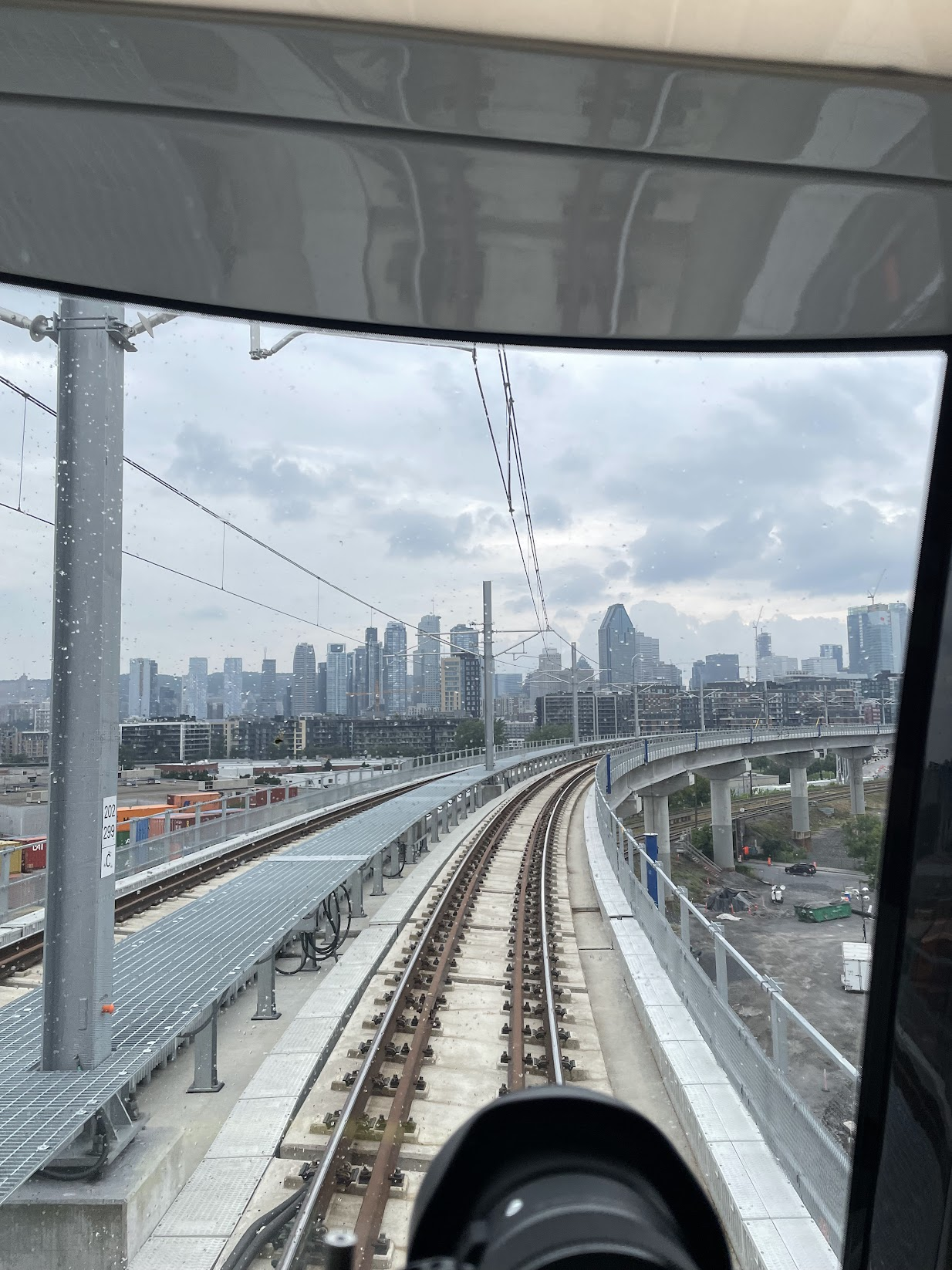
For example, coverage of Montreal’s REM project in local and even national media has felt overwhelmingly negative even as the project has clearly been overwhelmingly good. The only article I can recall off the top of my head that has been seriously positive about the project was one in Bloomberg by my sometimes collaborator Dr. Jonathan English. The high-level point here is that despite the project being built for a fraction of what others in Montreal are being built for, media lambasted the project for not meeting its own aggressive budget and timeline. This kind of mindless critique that doesn’t ask — “this project was over budget, but was the budget actually low to begin with?”.

Layered on top of the usually poor-quality coverage is the suffocating negativity. Obviously, the negative bias of media is well-known (I think it exists on YouTube, but is much less prevalent), but at least when media is talking about a “wave of crime” or the climate crisis, the attention might at least wake some people up to a real problem (even if its severity is overstated). But so often for transit, media does little to acknowledge its fundamental society benefiting elements, and rags on issues that are not unique to it (in places that can’t build transit, other infrastructure build usually aren’t going great — big surprise there!).
This issue extends in an obvious way to housing, but media also often loves giving coverage to the NIMBYs out there, even without seemingly assessing whether they are helping unreasonable rich people block policy changes, and projects that would obviously help everyone, but especially the most in need in our societies.
This element of hyperbolizing problems with transit as compared to roads is obvious, a sudden increase in crime on transit over a very low baseline leads to tons of attention given to the mortal dangers created by subways and buses, and yet cities in North America have an epidemic of drivers running over pedestrians and cyclist that still get referred to as “collisions”. While media does little to boost the obviously good of public transport, it is so often the media at the centre of the problem we have with victim-blaming pointed at vulnerable road users. Perhaps it’s not media’s job to tell a positive narrative and push the world forward (this is generally how I approach making media, but that might just be me), but surely not actively contributing to problems is within the media’s mandate.
Ultimately, it’s really only those within media organizations which can control what those organizations release to the public. That being said — whenever I see people lamenting the loss of traditional media I am reminded of how I see that apparatus cover the topics I care about, and I am left to wonder if every topic is covered in the same flippant and negative way.








Leave a Reply to Matt MillerCancel reply